
7 Cleaning Red Flags Property Managers Notice Fast
Cleaning Red Flags Property Managers Notice Fast
Have you ever thought to yourself, “Why is it that some rental inspections end without a hitch while others suddenly turn into a stressful moving out process for tenants, customers and more?” Many renters will clean obvious areas rigorously, but miss the kinds of things property managers spot during a final property walkthrough appointment later. Minor cleaning errors can sometimes cause bigger issues than tenants initially expect, before inspection days finally appear unexpectedly afterwards. Early awareness of these warning signs also allows renters to avoid unnecessary complaints, delays or frustrating bond deductions afterwards.
1. Dusty Surfaces Create Bad Impressions
Accumulated dust also stands out. You will always be scrutinised by property managers and inspectors at shelves, skirting, or furniture edges during property assessments, then regularly. Even a home that has just been vacuumed looks run-down when dusty surfaces are overlooked around corners, in hard-to-reach spots throughout the rooms, right down to. A lot of tenants are too focused on doing bigger cleaning tasks to care about the small surfaces that collect dust silently day in and day out indoors. Adhering to a comprehensive property manager cleaning checklist will help ensure dust does not cause the final inspection outcome to be negatively impacted.
2. Greasy Kitchens Raise Immediate Concerns
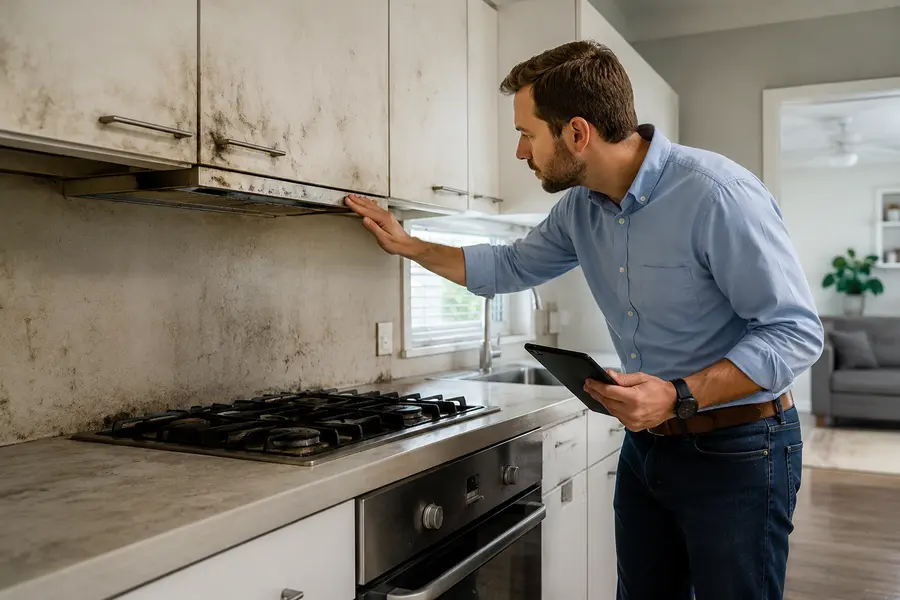
Kitchen grease is very visible and can be found in layers of settled cooking oil on appliances, splashbacks, cupboards and tiled walls after long stints indoors in the tenant. When they visit kitchens in the final property viewing appointments, property managers have a habit of paying extra attention to stovetops, exhaust fans and kitchen nooks and crannies for general cleanliness. Sticky grease residue can be a sign of a rushed or incomplete cleaning before tenants finally leave rental properties for good after inspections. A good deep clean before inspection can help improve kitchen presentation and deter negative comments from property managers.
3. Bathroom Mould Signals Poor Maintenance
Bathrooms build up moisture daily, and this is exploited by mould in and around tiles, shower screens, silicone edges and ceilings indoors at least once a week. Property managers are often able to spot the mould straight away, as these dark spots look very unsightly against otherwise clean bathroom surfaces when they come to inspect the property later on. While many tenants will give a good scrub to the sinks and mirrors in the bathroom, they fail to clean the secret corners of the bathroom where moisture is caught and does so every single day indoors. Adding bathrooms to every property manager’s cleaning list can save tenants from inspection headaches and from the cleaning disputes that you don’t want.
4. Strong Odours Cause Inspection Problems
Unpleasant odours are known to create bad first impressions even before property managers start to scrutinise visible cleaning standards in rental inspections afterwards. Weekend cooking, pets, smoke, or moisture tend to hide hidden cleanliness issues under the floorboards or inside walls later on in the property itself during inspections. Many tenants stop noticing household smells that they once found familiar, as these become normalised through extended tenancy indoors, naturally over time. Good air circulation and deep cleaning before the inspection can also help to eliminate persistent odours and add to the overall presentation of the property afterwards.
5. Dirty Windows Reduce Property Appeal
Windows have a big effect on how properties look as natural light makes fingerprints, streaks, dust and dirt visible instantly on daytime viewings, and after that, indoors with full lighting. Property managers often check window tracks, flyscreens, glass panels and frames closely during general property clean inspections throughout properties regularly thereafter to monitor overall cleanliness standards. Many tenants clean their floors well but neglect the windows entirely when preparing rental homes for final inspections afterwards, during unpredictable moving periods. A full property manager cleaning checklist to follow means that the windows are clean until later on, when the property managers officially arrive.
6. Carpets Reveal Hidden Cleaning Issues
Carpets readily hold on to dust, stains, pet hair, and odours of all kinds, which are detected during final walkthroughs of property managers so later. Frequently, property managers will also check along carpet edges and corners, as well as high traffic areas of a home, as these areas show long-term cleaning patterns very clearly later during evaluations. What differentiates them from the others is that they do some vacuuming of the visible areas, but they also treat the deeper stains that are hiding in the carpet fibres with trusted cleaning specialists. They are quick-moving out renters or renters thinking of moving out. Deep cleaning in advance of inspection is beneficial for restoring carpets and leads to better overall inspection results for the tenants thereafter.
7. Overflowing Rubbish Looks Unprofessional
Bins that were not emptied or garbage that was left behind instantly raise eyebrows because property managers want homes to be neatly presented before they start the official rounds of inspections, which are much later. Packaging, food waste or personal items are often left behind in final cleaning throughout the very property of itself during final walk-throughs, consistently later on. A lot of renters get overwhelmed during the move-out and inadvertently leave behind unwanted items in cupboards, garages, or outdoor areas, and then unexpectedly later on. A systematic property manager cleaning checklist helps avoid rubbish-related inspection issues before the home is officially handed over, after all.
8. Outdoor Areas Matter During Inspections
Outdoor areas are a big part of what affects inspection results since balconies, patios, garages and foyers are considered part of the rental obligations in full and are inspected regularly later on. After that, property providers often examine cleanliness around outdoor areas, including walkways, gardens, outdoor furniture and ceilings, while they routinely check on the cleanliness at exterior areas now and then. Cobwebs, weeds, leaves, or trash can quickly detract from overall property presentation, even when there are beautifully cleaned indoor living spaces just a stone’s throw away throughout homes later. A good, thorough cleaning before the inspection should always include any outdoor areas that are in some way attached to the rental property, and then fully.
9. Light Fixtures Collect Hidden Dust
Light fixtures quietly accumulate dust, unnoticed by tenants who infrequently take the time to clean ceiling areas during their indoor household routine cleaning at the end of the day. Property Managers often report an immediate observation of dusty ceiling fans, pendant lighting and air conditioning vents at the in-depth rental property walk-through appointments, and at the rental property in person regularly. Dust cascading down from an overhead fixture instantly makes even the cleanest room look uncared for during key inspection visits taken thoroughly afterwards, completely later. Incorporating ceiling fixtures into the cleaning to-do list for every property manager will bring about higher inspection scores and cleaner-looking interiors afterwards.
10. Cupboards Must Remain Completely Clean
Cabinets also have a tendency to expose concealed cleaning problems, as property managers generally pry open storage areas with a look and then close them slowly during the detailed final inspections for rental properties and again at the very end. Dust, crumbs, sticky spills, and lost belongings in cabinets immediately undermine the look of what could be tidy homes during evaluations, and often later. Many renters clean the areas they can see well enough, but fail to open their drawers in the pursuit of larger moving duties immediately, later, or completely. Doing a good deep clean before inspection ensures that the storage areas are kept clean and safe, which before the official property assessments begin, and completely afterwards.
Small Details Influence Final Decisions
An eye for detail is needed to successfully clean for inspections, as property managers notice cleanliness uniformity in rental properties down to the tiniest corners and nooks and crannies, and are continually evaluating cleanliness. Tips and tricks to clean laminate floors can also help tenants maintain a polished overall appearance throughout rental properties. Small spots around light switches, dusty baseboards, or smudged mirrors can often leave stronger impressions, leaving them wondering which ever bigger cleaned up spots later, completely, unexpectedly. A lot of renters don’t realise that when homes are reviewed before final bond refunds approval, inspectors take a good look at those hidden areas, and then, continuously, at a later stage. After following a full property manager cleaning checklist, tenants can avoid red flags and improve inspection outcomes significantly, afterwards.
Related Posts
Tips to Use a Spray Mop for Perfect Streak Free Floors
Did you ever mop home and then see the impression of streaks appearing by the…
Fast and Smooth Tips to Take the Sticky Glue off Wood
Sticky Glue Off Wood Quickly – Fast & Smooth Removal Tips Did you ever imagine…

Understanding the pH Levels of Everyday Cleaning Products
Have you ever wondered if some cleaning products are more potent than others, or if…